BarSwat
Swat Valley has been inhabited for over 2,000 years and has been ruled by Aryans, Persians, Greeks, Mauryans, Buddhists, Hindus, Mughals, and Pashtuns. Few valleys in the world carry such a layered story. This is the complete history of Swat in plain language.
Archaeological digs at Aligrama, Kalako-deray and Loebanr show Swat was settled by Indo-Aryan farming communities at least 3,000 years ago. They built rectangular stone houses, used painted pottery and buried their dead in graves with iron weapons.
These early people called the valley 'Suvastu', the Sanskrit word that became 'Swat'. The Rigveda mentions the Suvastu river as one of the rivers of the Sapta Sindhu (seven rivers).
The Achaemenid Persians under Darius I made Swat part of their Gandhara satrapy around 516 BCE. In 327 BCE Alexander the Great crossed the Hindu Kush and fought his way through the valley, capturing the fortress of Bazira (modern Barikot) and Ora.
After Alexander, Swat fell to the Mauryan Empire. Emperor Ashoka sent Buddhist missionaries here in the 3rd century BCE and Swat became one of the holiest centres of early Buddhism, known as 'Uddiyana' (the Garden).
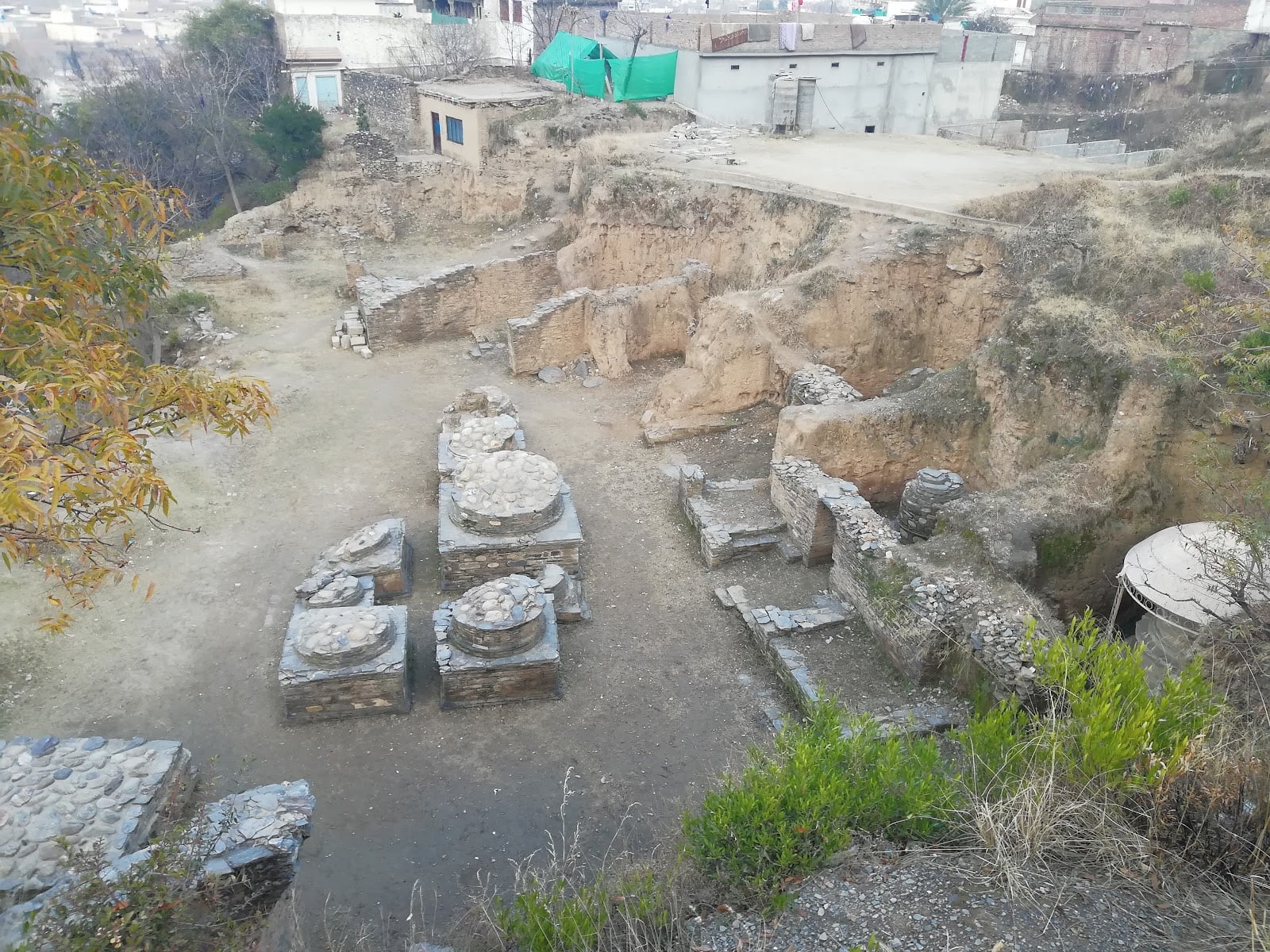
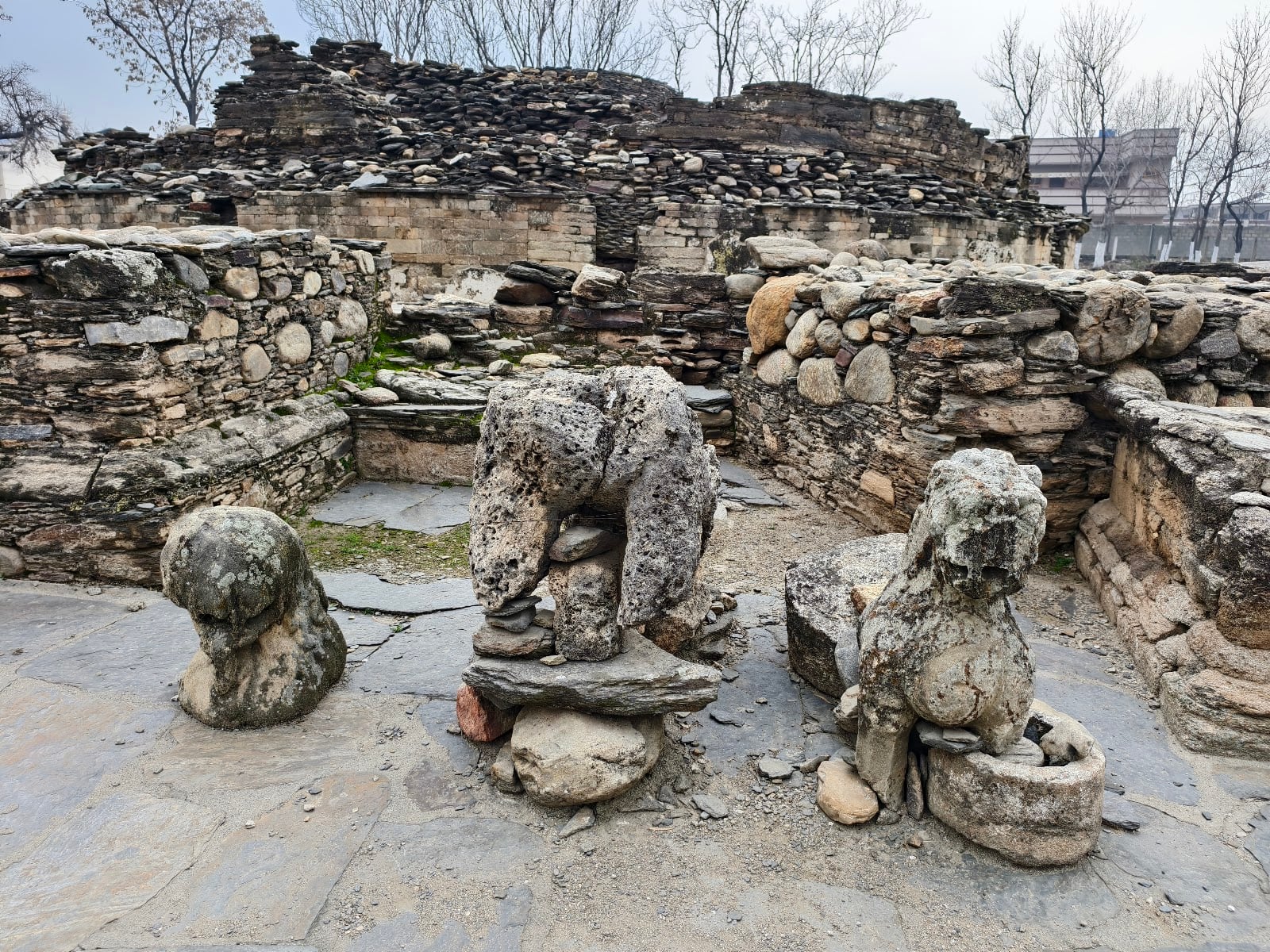
For more than 1,000 years Swat was a Buddhist kingdom famous across Asia. Chinese pilgrims Faxian (5th century) and Xuanzang (7th century) wrote that the valley contained 1,400 monasteries and 18,000 monks.
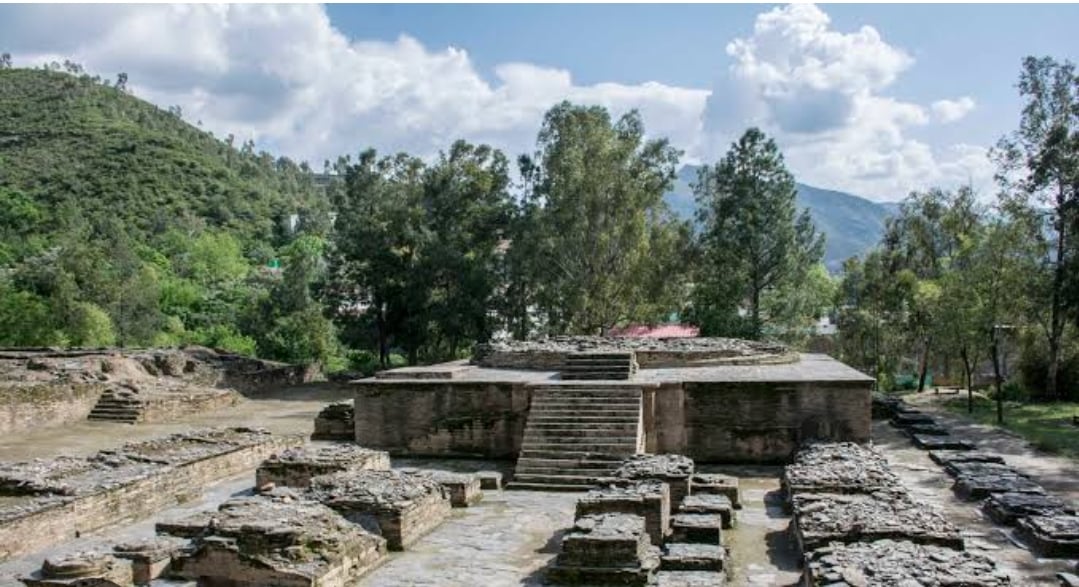
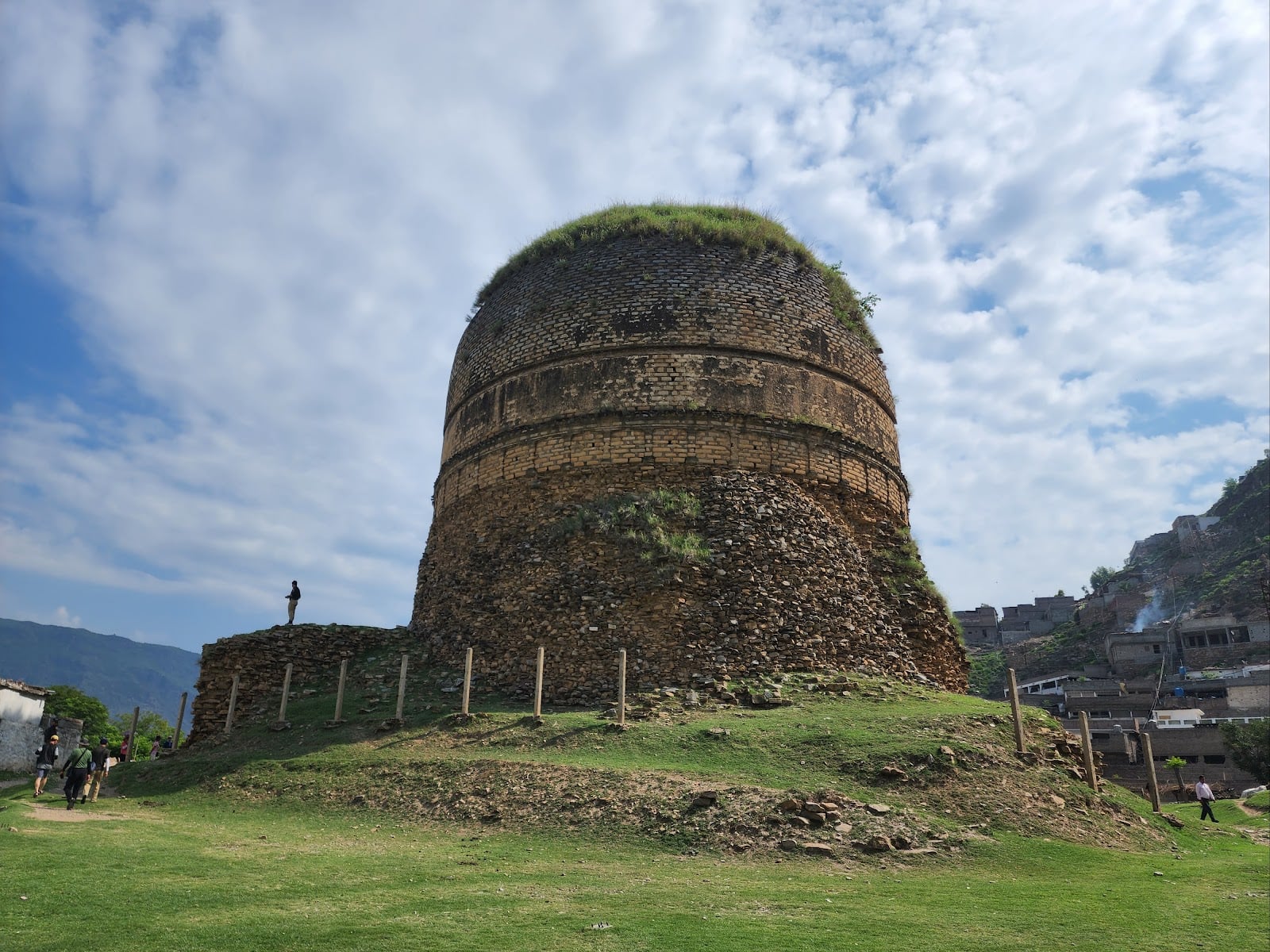
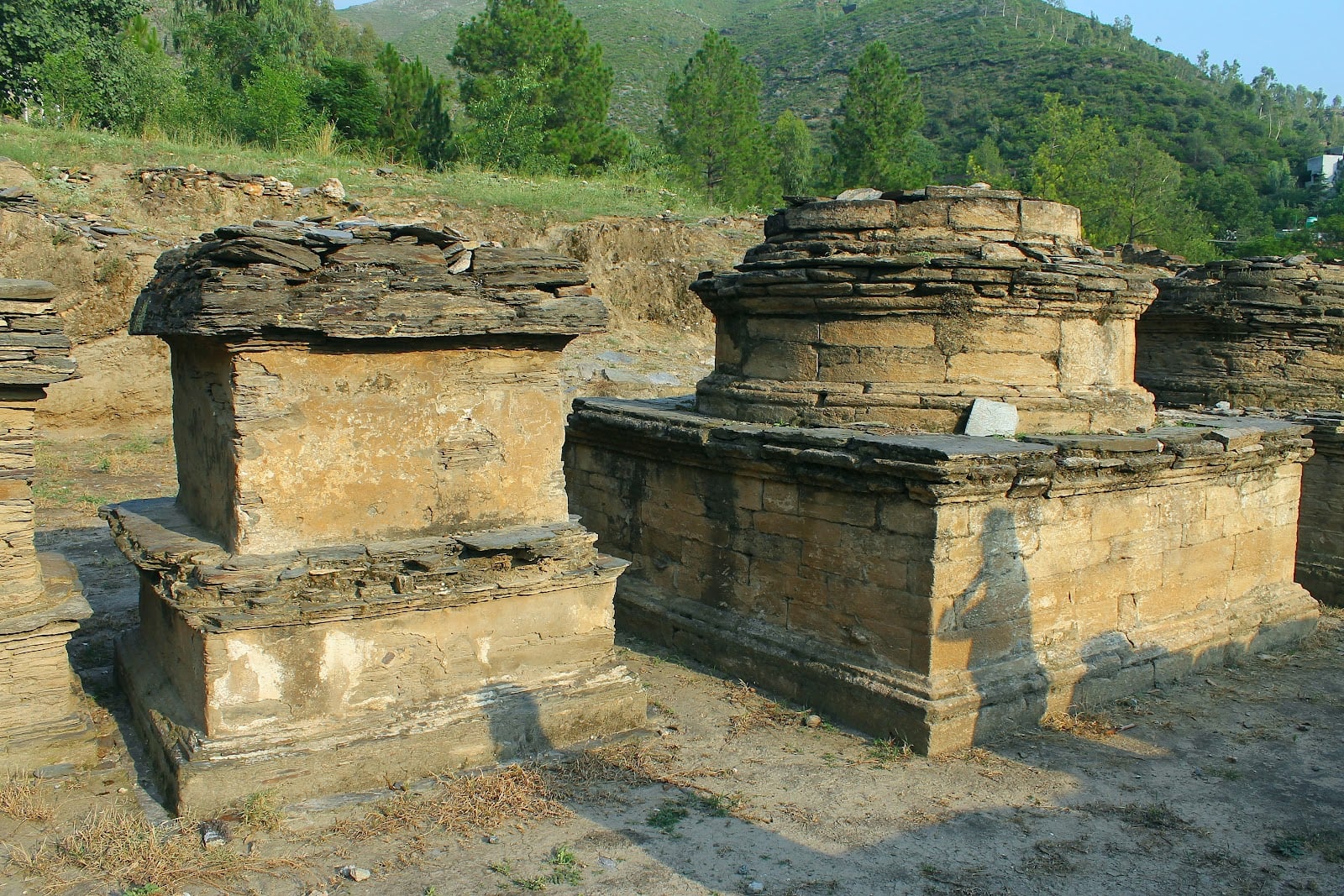
Padmasambhava, the founder of Tibetan Buddhism, was born in Uddiyana in the 8th century CE. To this day Tibetan Buddhists revere Swat as the 'Land of Lotus' and visit sites like Butkara Stupa, Shingardar, Jambil and Saidu Sharif.
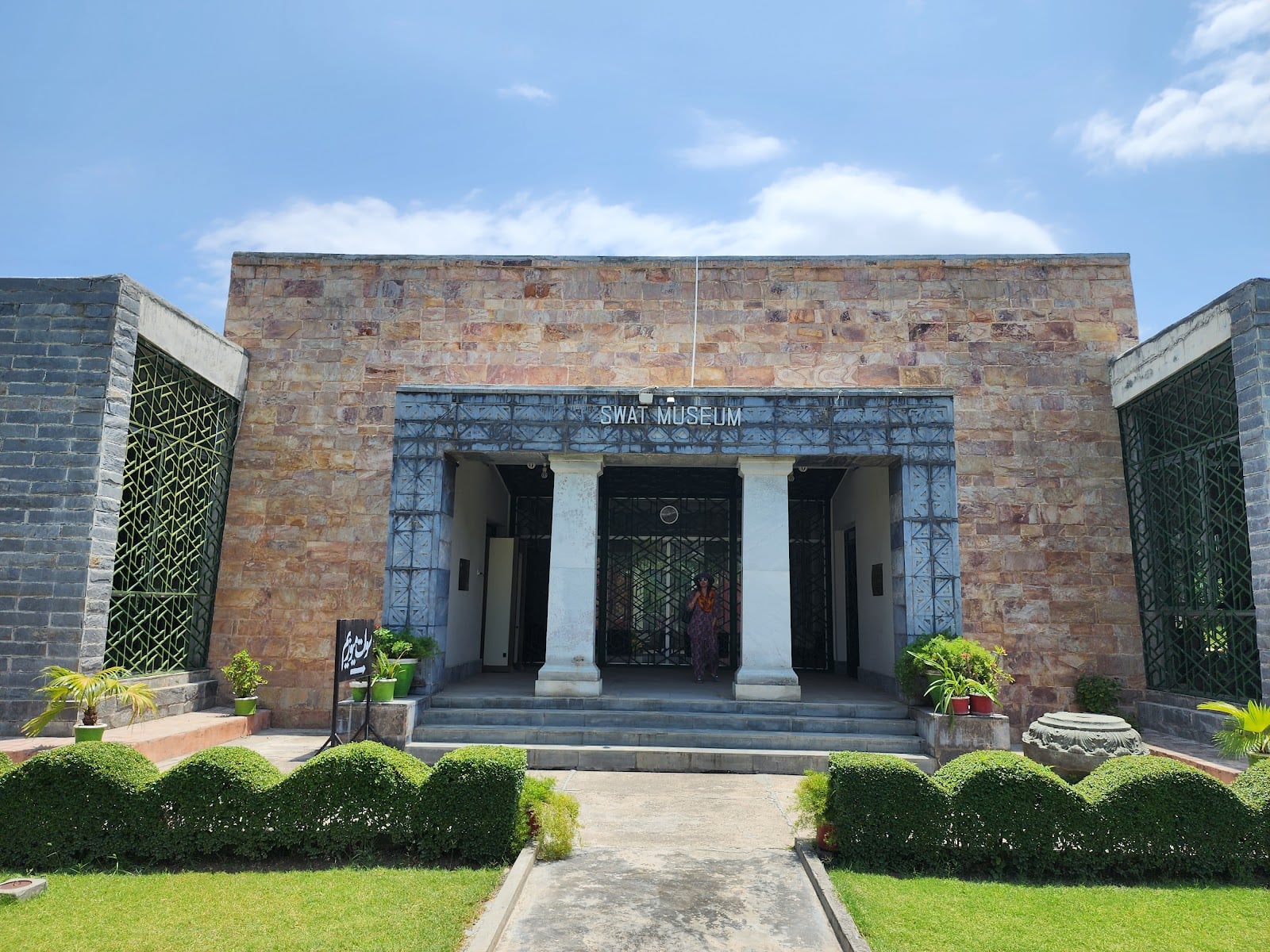
Swat's Gandhara art (Greco-Buddhist sculpture) is on display in the Swat Museum, Saidu Sharif and museums around the world.
From around 1000 CE Swat was ruled by the Hindu Shahi dynasty until Mahmud of Ghazni's invasions. Sultan Mahmud's general Pir Khushal defeated the local king at Udegram. The Raja's daughter, Princess Gulkanda, is said to have died alongside the saint Pir Khushal whose shrine still stands at Udegram.
By the 14th-15th century, Pashtun Yousafzai tribes from Afghanistan migrated under Malak Ahmad and gradually displaced the earlier Dilazak Pashtuns. Swat became a Yousafzai homeland and remains so today.
For four centuries Swat had no central ruler. Land was redistributed every few years under the 'Wesh' system. The valley resisted Mughal control, with Akbar's army defeated at Karakar Pass in 1586.
In 1849 the Akhund of Swat (Saidu Baba), a famous Sufi scholar, united the tribes spiritually. His descendant Miangul Abdul Wadud later founded the modern State of Swat.
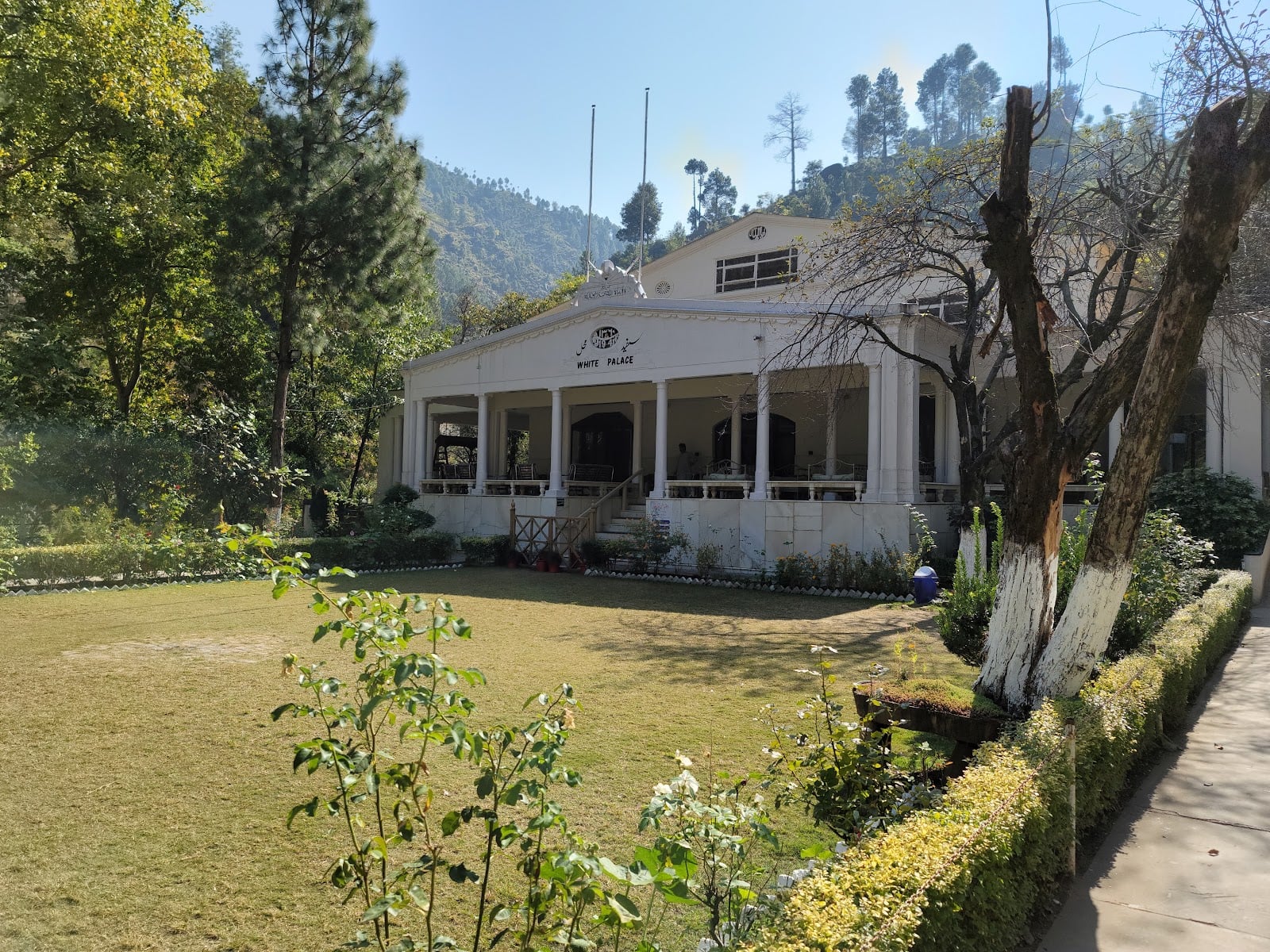
Miangul Abdul Wadud (Badshah Sahib) founded the State of Swat in 1915 and was recognised by the British in 1926. He built roads, schools and hospitals across the valley. His son Miangul Jahanzeb (the last Wali of Swat, ruled 1949-1969) is remembered as one of South Asia's most progressive princes.
Under Wali Jahanzeb, Swat had free education, a model legal system, electric power, modern hospitals and Pakistan's first state-built ski resort at Malam Jabba. The state was peacefully merged into Pakistan in 1969.
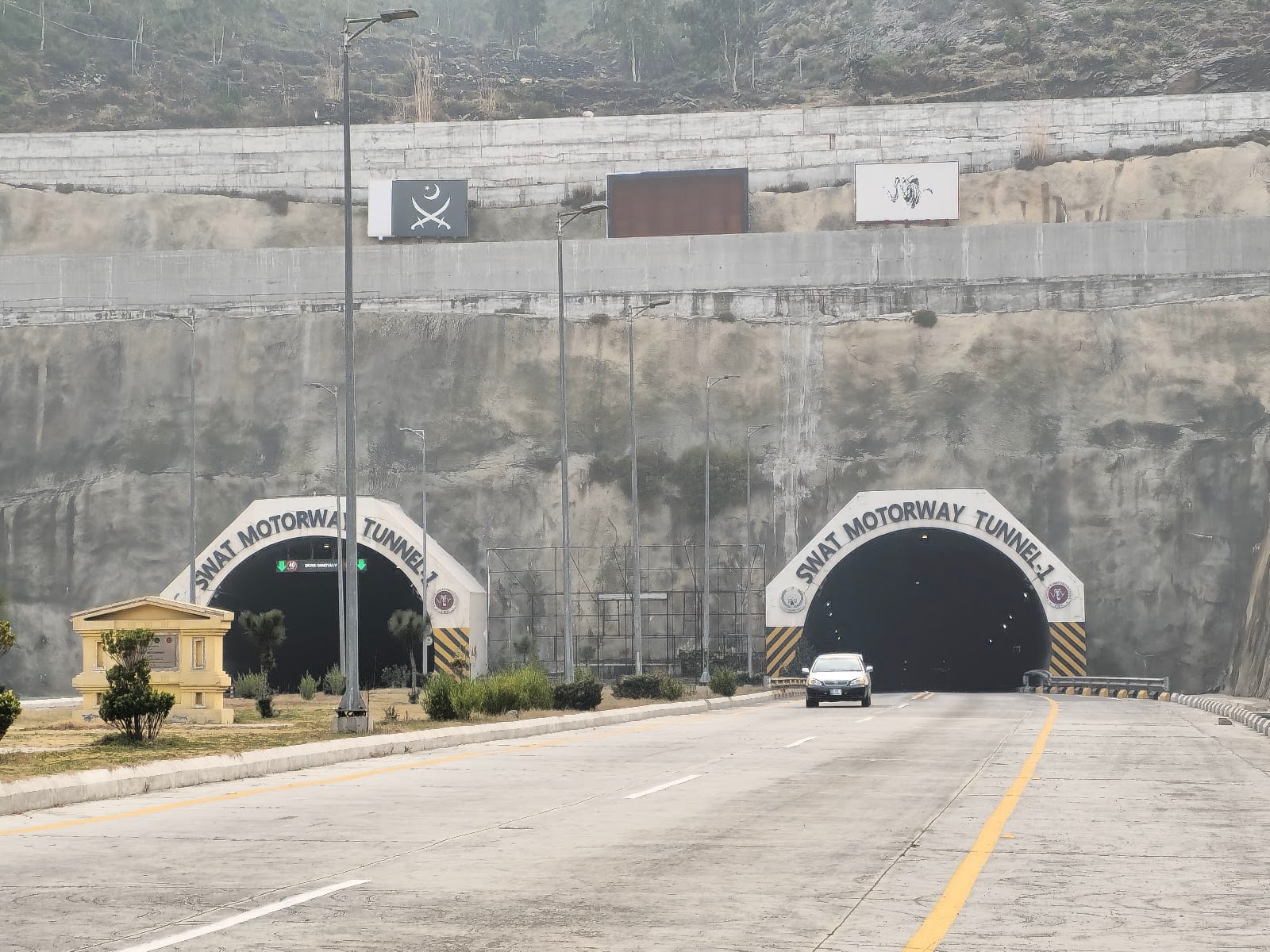
After merger Swat became a district of NWFP (now Khyber Pakhtunkhwa). The 2005 earthquake and the 2007-2009 militancy were severe blows, but the Pakistan Army's Operation Rah-e-Rast restored peace in 2009. Tourism returned strongly after 2014.
Today Swat is once again the most-visited valley in Pakistan, with the Swat Motorway (M-16) cutting travel time from Islamabad to under 4 hours. The valley is also the birthplace of Nobel Peace Prize winner Malala Yousafzai.
Uddiyana means 'the Garden' in Sanskrit. Buddhist pilgrims gave Swat this name because the valley was lush, fertile and full of monasteries.
Miangul Jahanzeb, who ruled from 1949 until the state's merger with Pakistan in 1969. He is widely considered one of the most progressive princely rulers in South Asian history.
Yes. In 327 BCE Alexander captured the fortified towns of Bazira (modern Barikot) and Ora. Excavations at Barikot have uncovered Greek coins, weapons and pottery.
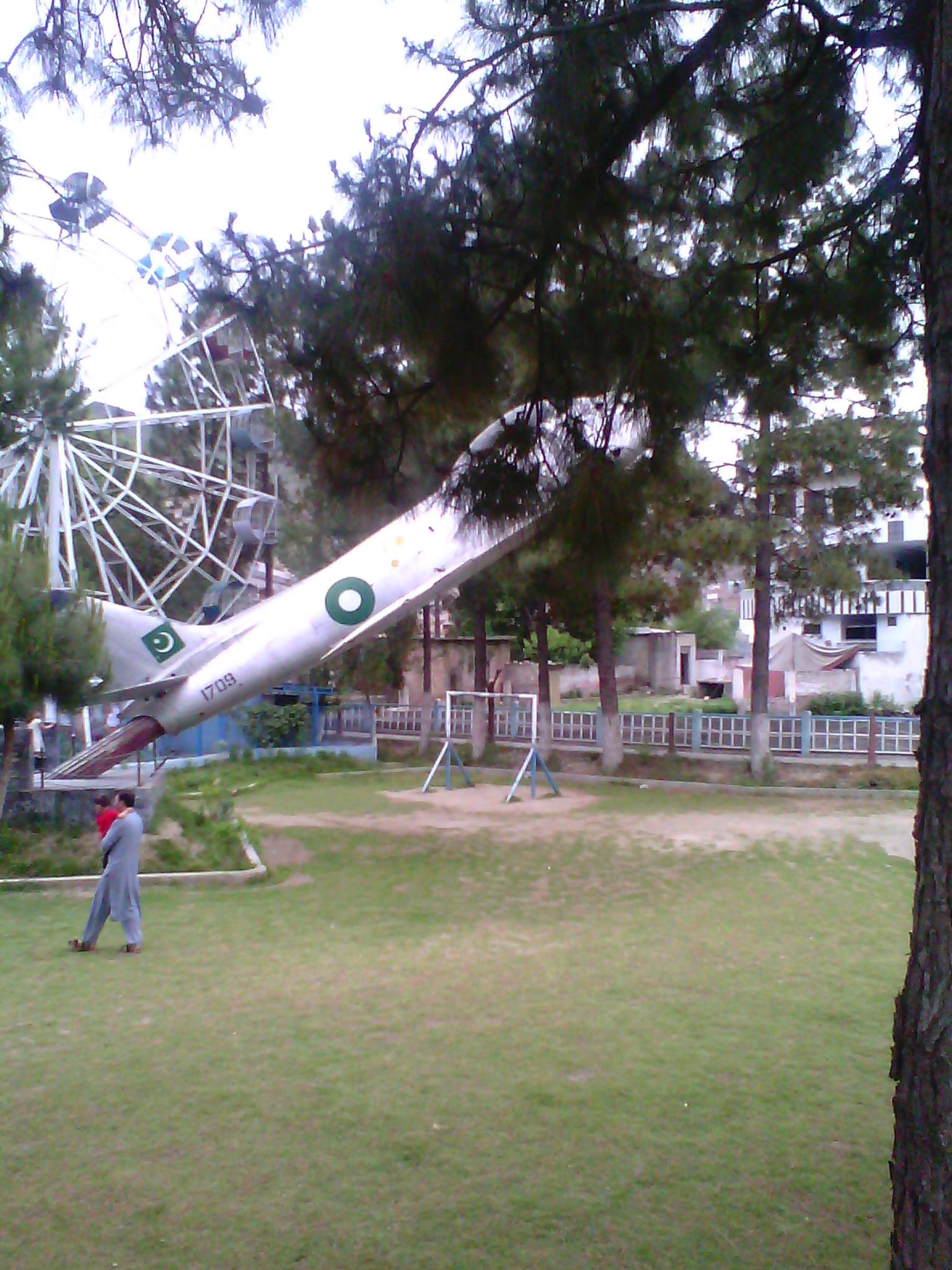
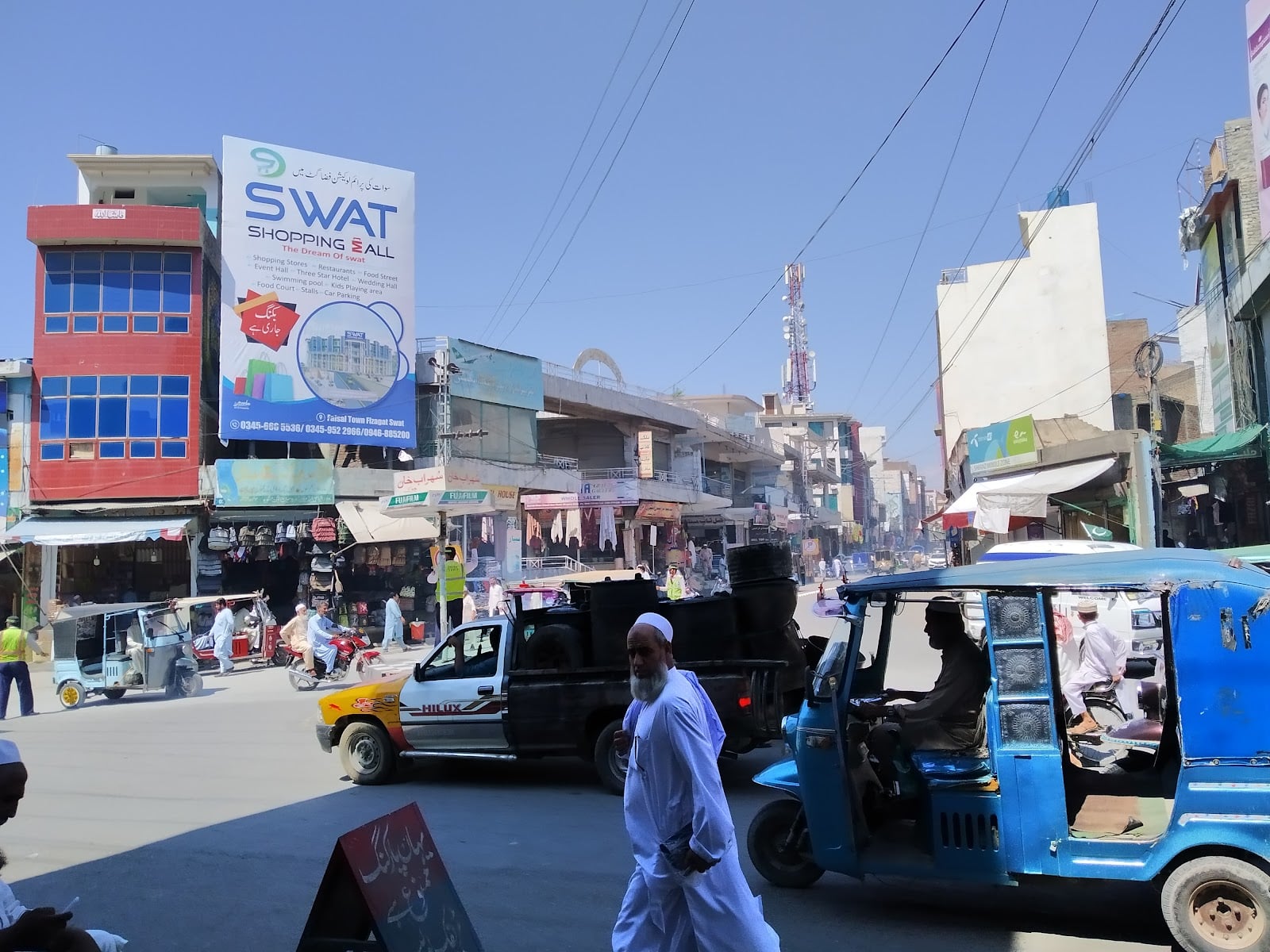
Real, verified places in Swat Valley related to this guide — tap any card for photos, hours, phone and directions.
Real Swat tips on hotels, routes, and where to eat — hop on WhatsApp or leave a note on our contact page.