
BarSwat
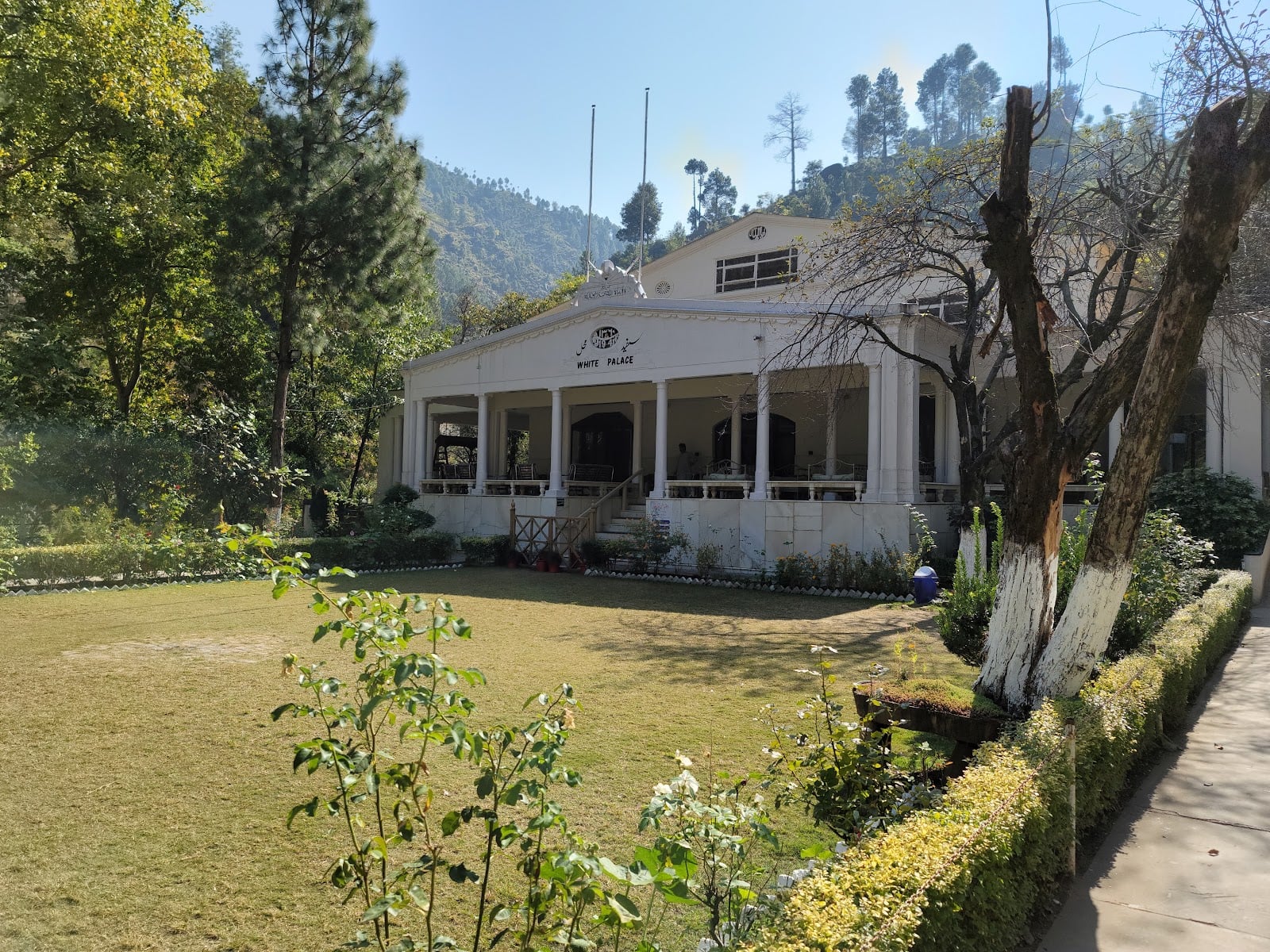
Few small valleys in Asia have produced as many world-shaping figures as Swat. From an 8th-century Buddhist master who carried Vajrayana Buddhism to Tibet, to a 19th-century Sufi reformer who unified the Yousafzai tribes, to the youngest Nobel Peace Prize laureate in history, this is the story of the people who put Swat on the map.
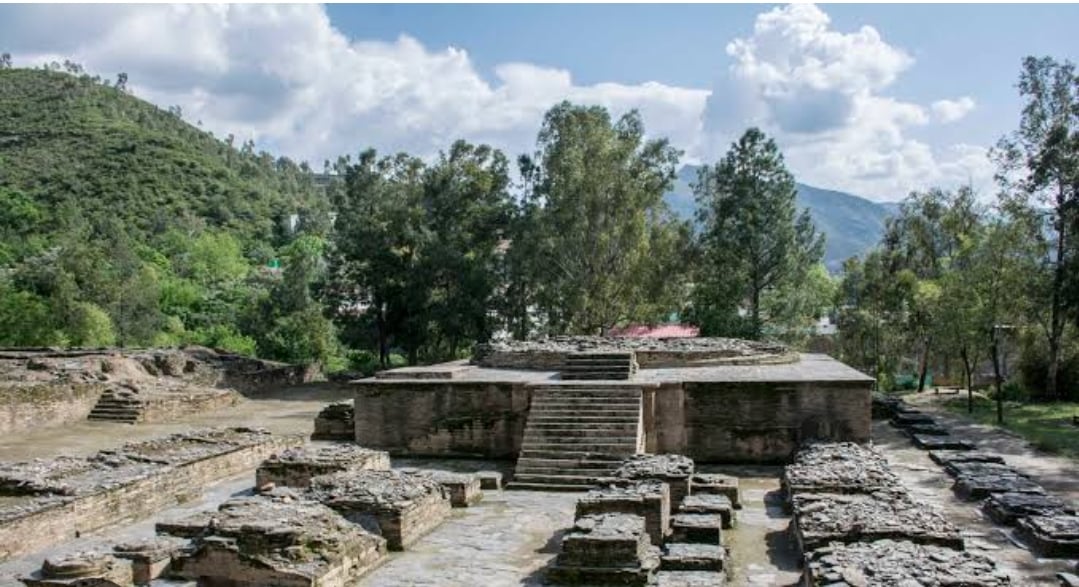
Padmasambhava, known across the Himalayas as Guru Rinpoche (the 'Precious Master'), is by far the most globally venerated figure ever born in Swat. According to Tibetan tradition he was born in Uddiyana, the Sanskrit name for the ancient kingdom that occupied present-day Swat Valley, around 717 CE.
Invited by King Trisong Detsen, he travelled to Tibet in 774 CE and is credited with subduing the local Bon spirits, founding Samye, the first Buddhist monastery in Tibet, and transmitting the Vajrayana (Tantric) lineage that became the foundation of Tibetan Buddhism.
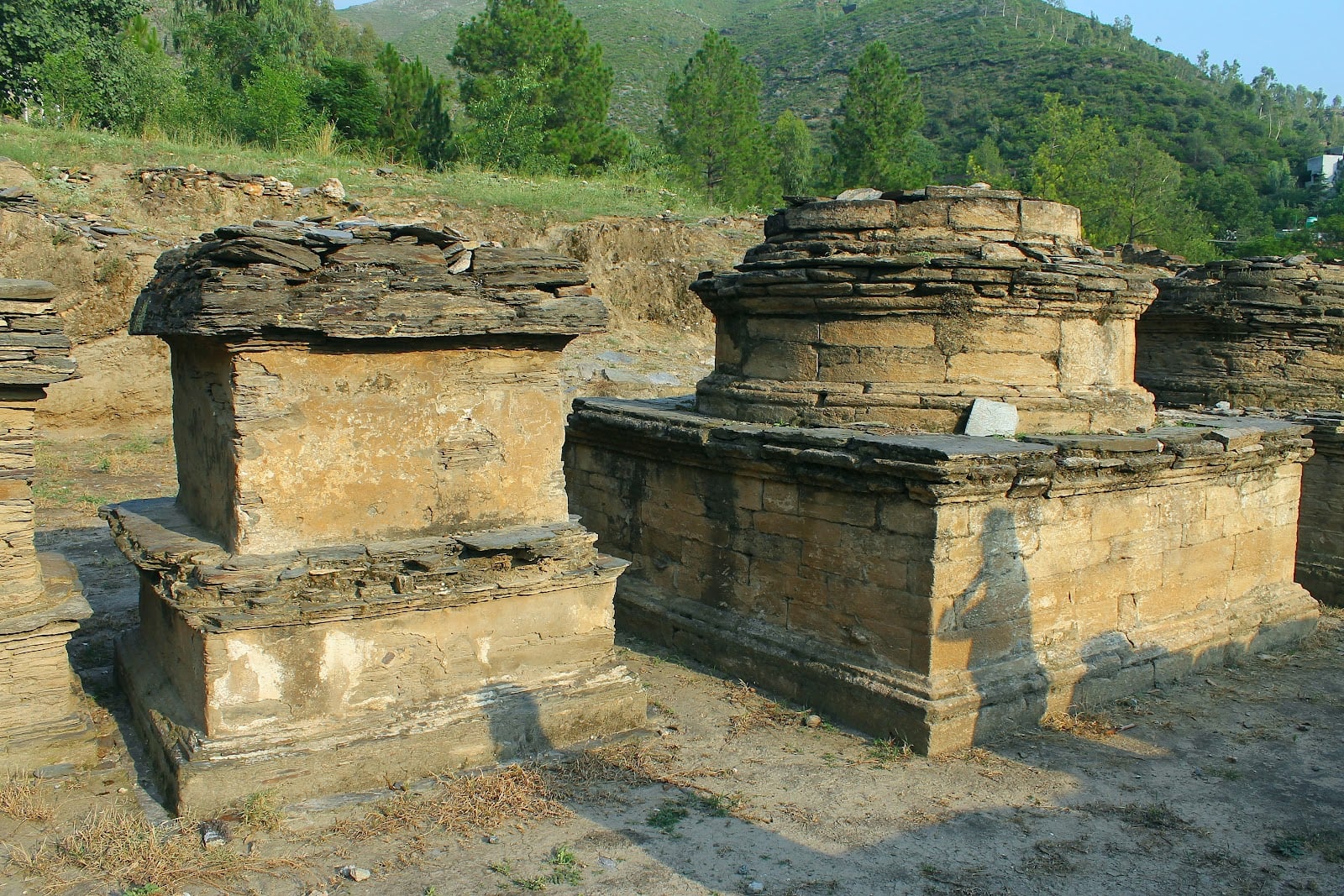
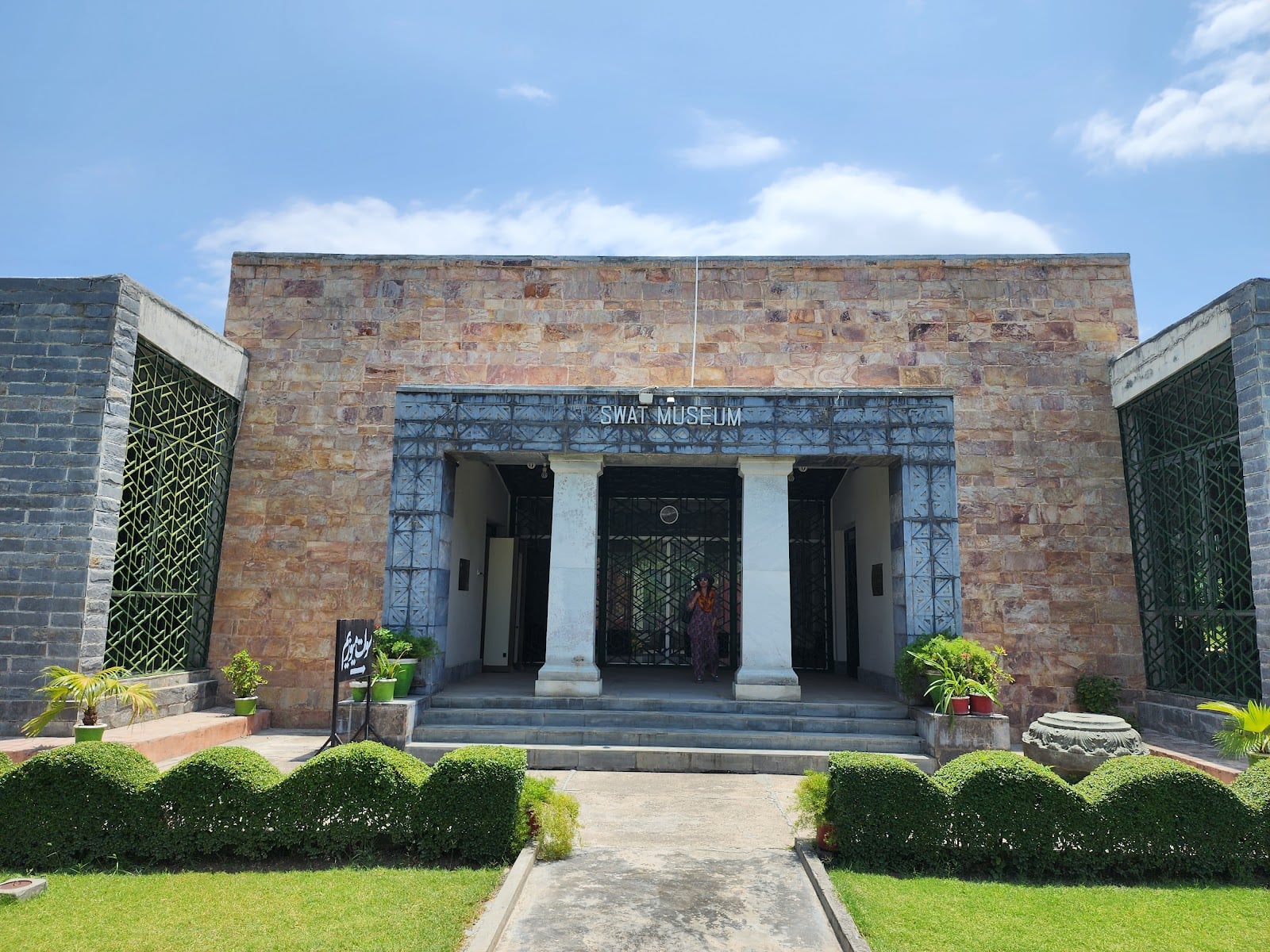
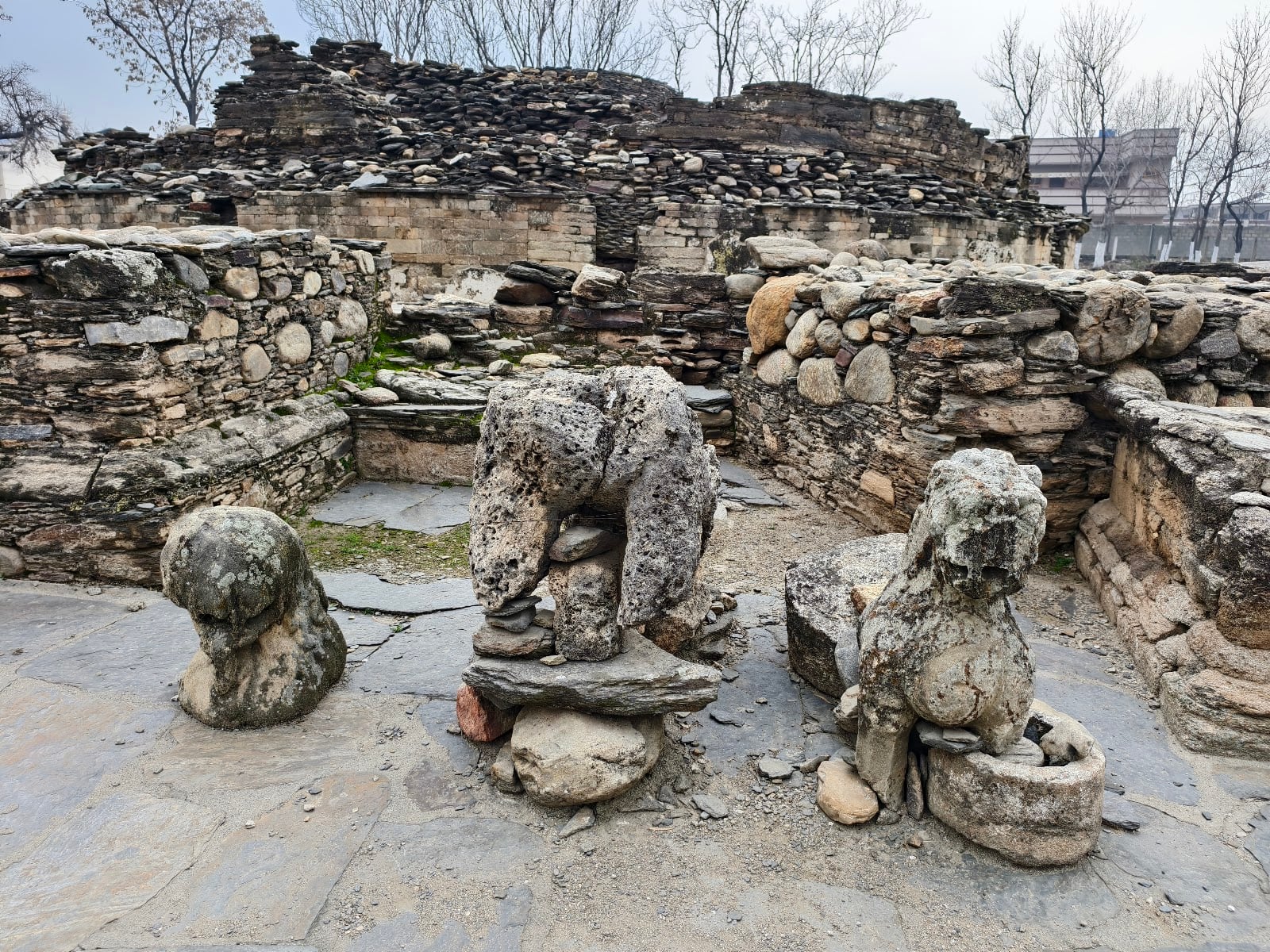
Today over 50 million Tibetan, Bhutanese, Mongolian and Nepalese Buddhists revere him as a 'second Buddha'. Pilgrims from Bhutan and Ladakh still travel to Swat to visit sites associated with his early life, especially the rock carvings around Jahanabad and the stupas at Butkara and Saidu Sharif.
Abdul Ghaffur, popularly known as the Akhund of Swat or Saidu Baba, was a Sufi scholar of the Naqshbandi order who became the most influential religious and political figure in 19th-century Swat. Born around 1794 in the village of Jabrai, he spent decades as a wandering ascetic before settling at Saidu Sharif.
By the 1850s his moral authority over the fractious Yousafzai tribes was so complete that he was able to organise unified resistance against British incursions during the Ambela Campaign of 1863, where his followers fought alongside tribal lashkars in one of the toughest engagements of the British Raj in the frontier.
He refused political titles for himself but his shrine and seminary at Saidu Sharif became the seed of what would become the State of Swat. His descendants, the Miangul family, went on to found the modern princely state in 1915.
Grandson of the Akhund of Swat, Miangul Abdul Wadud is remembered as 'Badshah Sahib', the founder of the modern State of Swat. After years of tribal jirgas and military campaigns against rival contenders, he was formally elected ruler in 1917 and recognised by the British as Wali in 1926.
His 32-year rule transformed a fragmented tribal area into one of the most organised and peaceful princely states in the subcontinent. He built the first metalled roads through the valley, established a postal service, founded the Swat State School and brought rule of law to villages that had been locked in centuries of feuding.
Locals still tell stories of Badshah Sahib personally hearing complaints in open court, refusing bribes, and abdicating voluntarily in 1949 in favour of his son so that the next generation could modernise the state further.
Son of Badshah Sahib, Miangul Jahanzeb ruled Swat from 1949 until the state's merger with Pakistan in 1969. Educated at Islamia College Peshawar, he is widely credited with the modernisation that earned Swat the nickname 'the Switzerland of the East'.
Under his rule the valley got its first hospitals at Saidu Sharif, the first proper degree college (Jahanzeb College, still one of KPK's most respected institutions), free primary education for boys and girls, hydroelectric power, the road from Mingora to Kalam and the airfield at Saidu Sharif.
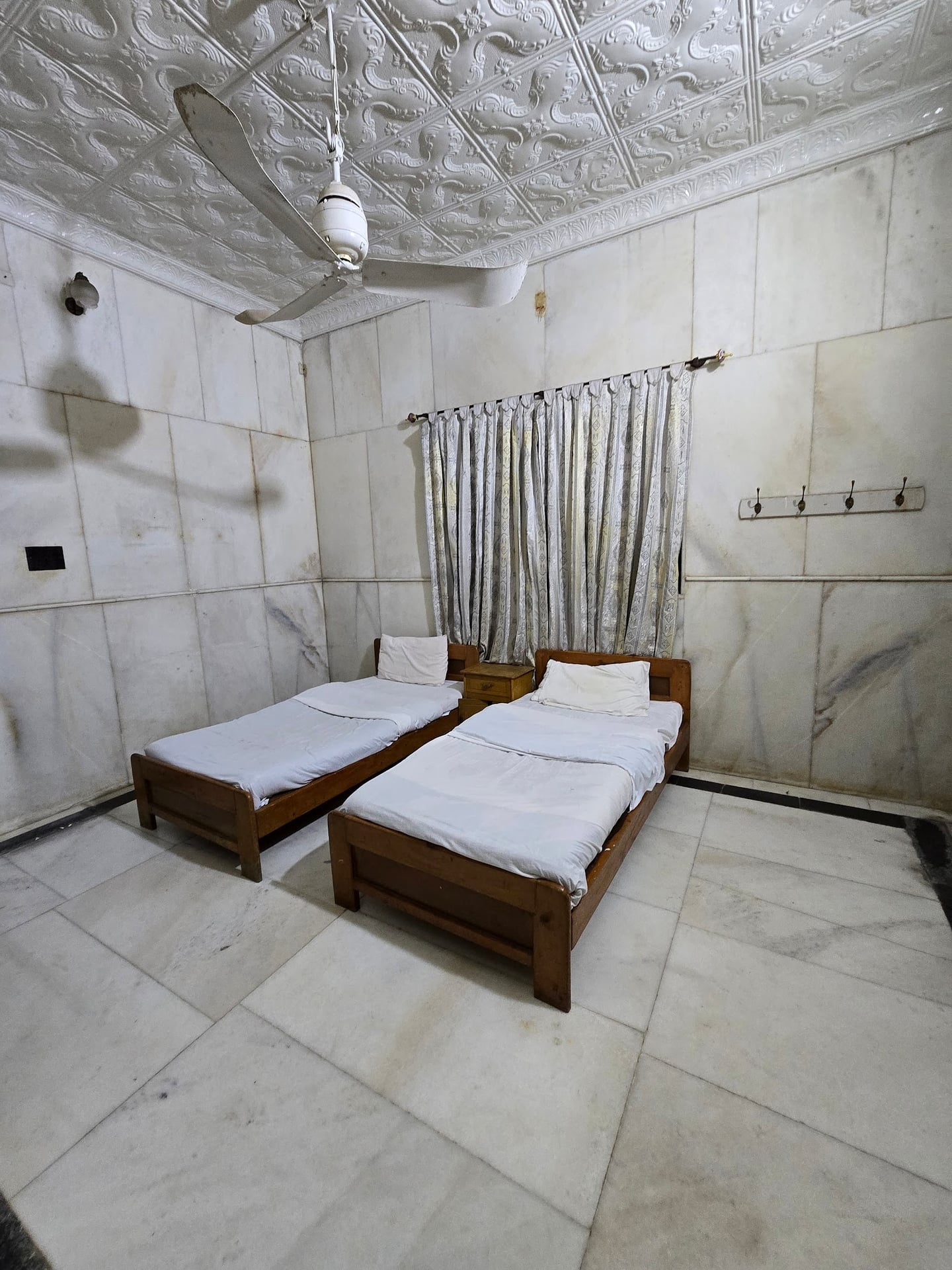
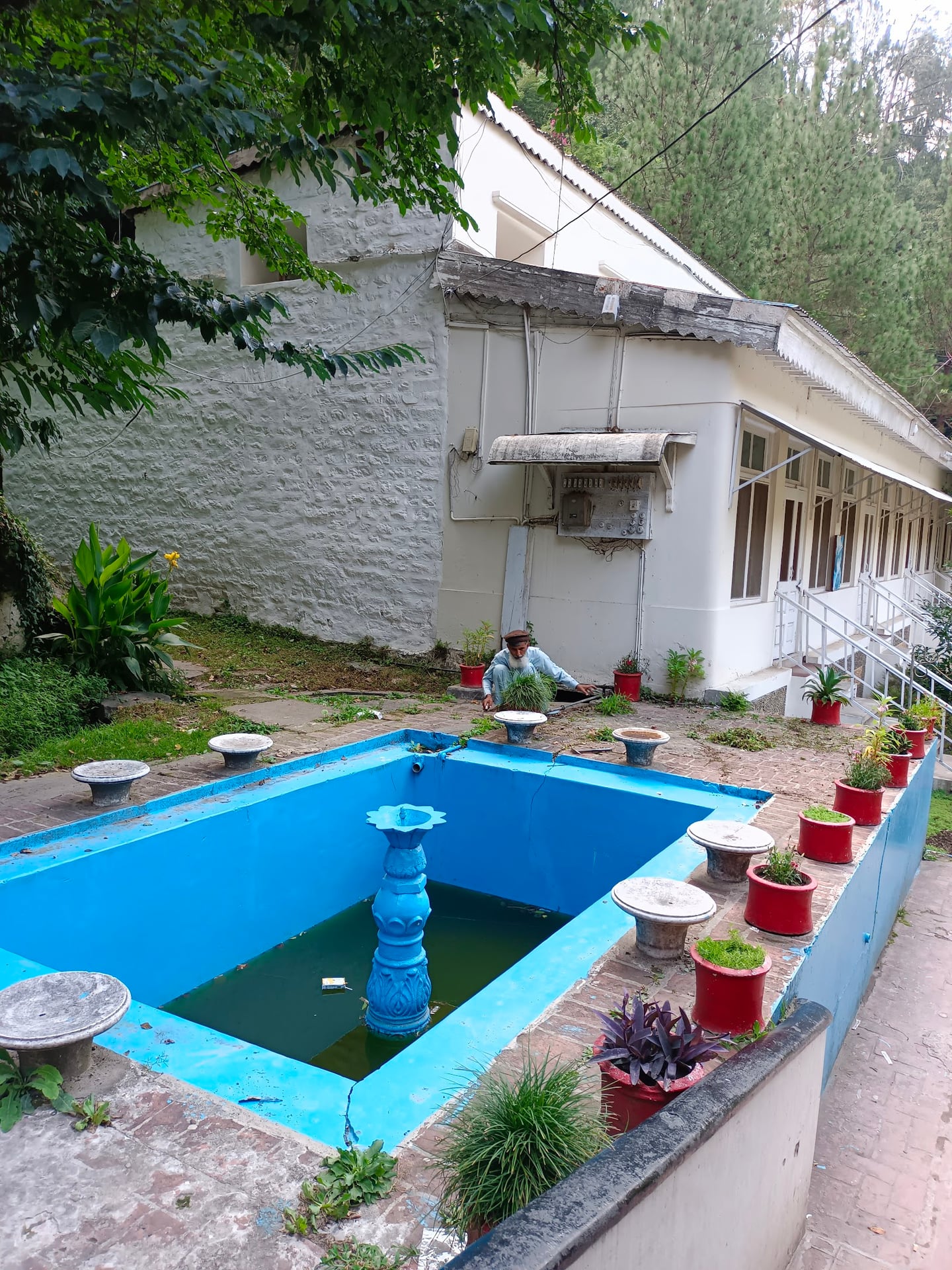
He also built the famous Marghazar White Palace, entirely from Italian marble, which still stands as a hotel today. When Swat State was merged into Pakistan in 1969 he handed over the administration peacefully and retired to a quiet life. Many older Swatis still call his era the golden age of the valley.
Son of Wali Jahanzeb and son-in-law of Field Marshal Ayub Khan, Miangul Aurangzeb chose a career in politics after the merger of Swat State. He served as a Member of the National Assembly of Pakistan, Governor of Balochistan (1999-2003) and later Governor of the North-West Frontier Province (now KPK) in 2005-2006.
He was respected for keeping the dignity of the Wali family alive in democratic Pakistan, and for repeatedly speaking up for Swat's autonomy during the 2007-2009 militancy crisis.
Born on 12 July 1997 in Mingora, Malala Yousafzai is by far the most internationally recognised face of modern Swat. The daughter of educator Ziauddin Yousafzai, she began writing a BBC Urdu blog at age 11 about life under Tehrik-i-Taliban rule, when girls' schools across the valley were being shut and bombed.
On 9 October 2012 a Taliban gunman boarded her school van and shot her in the head. She was airlifted first to a Peshawar military hospital and then to Birmingham, UK, where she made a near-complete recovery. The attack made her a global symbol of the right to education.
In 2014, at age 17, she became the youngest person ever to receive the Nobel Peace Prize, sharing it with Indian activist Kailash Satyarthi. Her memoir 'I Am Malala' has been translated into more than 40 languages, and the Malala Fund she co-founded has invested over $30 million in girls' education across Pakistan, Afghanistan, Nigeria, Brazil and Lebanon.
Her family home in Mingora and her old school still stand and are quietly visited by journalists and admirers, though the family themselves now live abroad for security reasons.
Swat has a rich tradition of Pashto poetry and oral storytelling. While Khushal Khan Khattak (1613-1689) was technically born in the wider Yousafzai region rather than Swat itself, he is celebrated across the valley as the 'national poet' of the Pashtuns and references Swat repeatedly in his Diwan.
Modern Pashto poets associated with Swat include Rahmat Shah Sail, whose lyrical verse mourns the militancy years, and Hamza Baba whose ghazals are sung at weddings and gatherings across the valley.
From Padmasambhava's stupas at Butkara to the White Palace of the last Wali, from the Akhund's shrine at Saidu Sharif to Malala's school in Mingora, the lives of these personalities are still woven into the everyday landscape of Swat. Many can be visited on a one-day heritage circuit starting and ending in Mingora.
In Mingora, Swat on 12 July 1997. Her family home is still in Mingora though the family lives abroad for security reasons.
Tibetan Buddhist tradition firmly identifies his birthplace as Uddiyana, which most scholars equate with the Swat Valley region. Pilgrims from Tibet, Bhutan and Ladakh still visit Swat for this reason.
Miangul Jahanzeb (1908-1987), who ruled from 1949 until Swat State was merged into Pakistan in 1969.
Yes. Saidu Sharif Stupa, Butkara Stupa, Swat Museum, Marghazar White Palace and Jahanzeb College are all open to visitors and accessible within a single day from Mingora.
Real, verified places in Swat Valley related to this guide — tap any card for photos, hours, phone and directions.
Real Swat tips on hotels, routes, and where to eat — hop on WhatsApp or leave a note on our contact page.