BarSwat
Long before it became a Pashtun valley, Swat was Uddiyana, one of the most sacred Buddhist lands in Asia. For over a thousand years monks, kings and pilgrims travelled here to study Vajrayana Buddhism, build stupas, and meditate in mountain caves. The Buddha statues, monasteries and rock carvings of Swat are still here today.
Swat is the ancient land of Uddiyana ('the Garden'), birthplace of Padmasambhava, the 8th-century master who carried Tantric Buddhism to Tibet and is revered there as Guru Rinpoche, the Second Buddha.
Tibetan Buddhists believe Padmasambhava emerged from a lotus on Lake Dhanakosha, identified with a lake in Swat. To this day Tibetan, Bhutanese and Nepali pilgrims visit Swat seeking his birthplace.
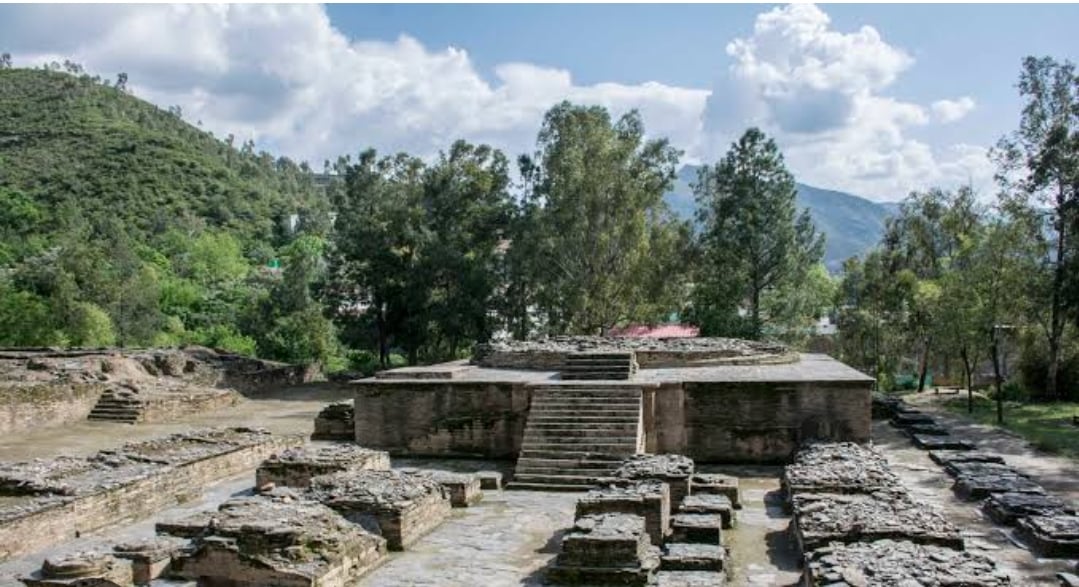
Butkara I, on the outskirts of Mingora, is Swat's most important Buddhist site. The main stupa was built by Emperor Ashoka in the 3rd century BCE and rebuilt five times over a thousand years.
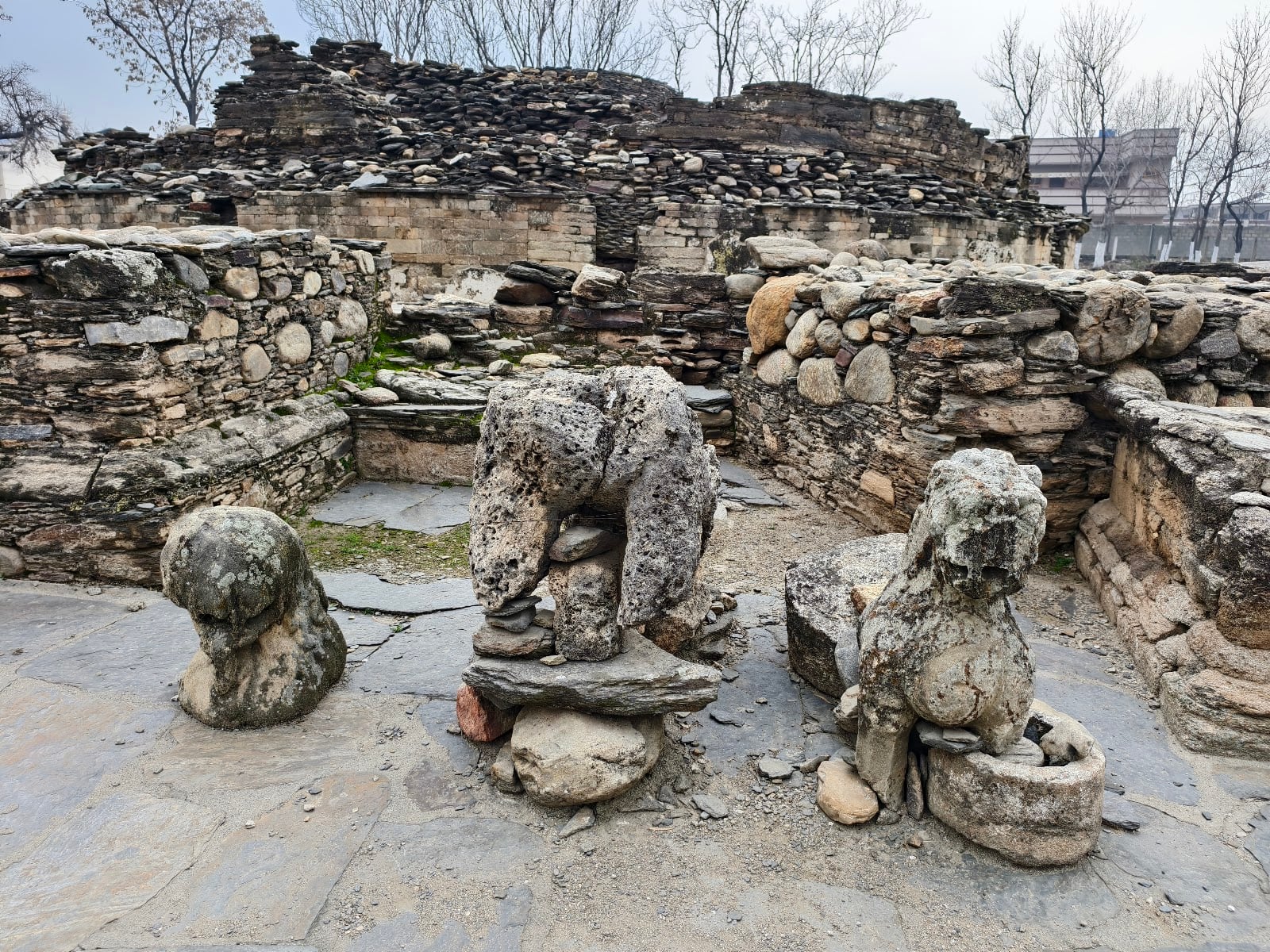
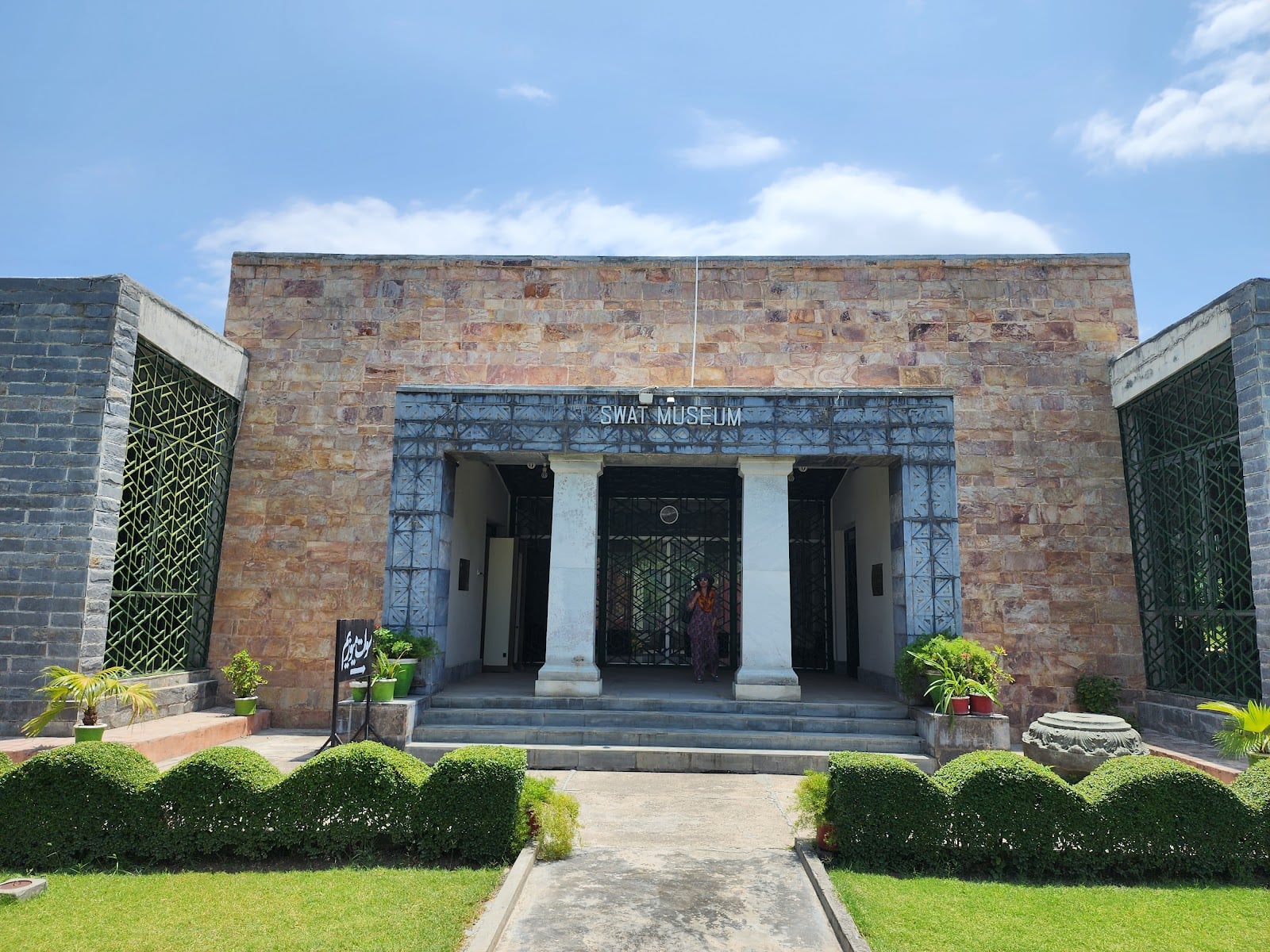
Italian archaeologists from ISMEO have excavated 215 votive stupas, sculptures and reliquaries here. Many of the finest pieces are displayed in the nearby Swat Museum.
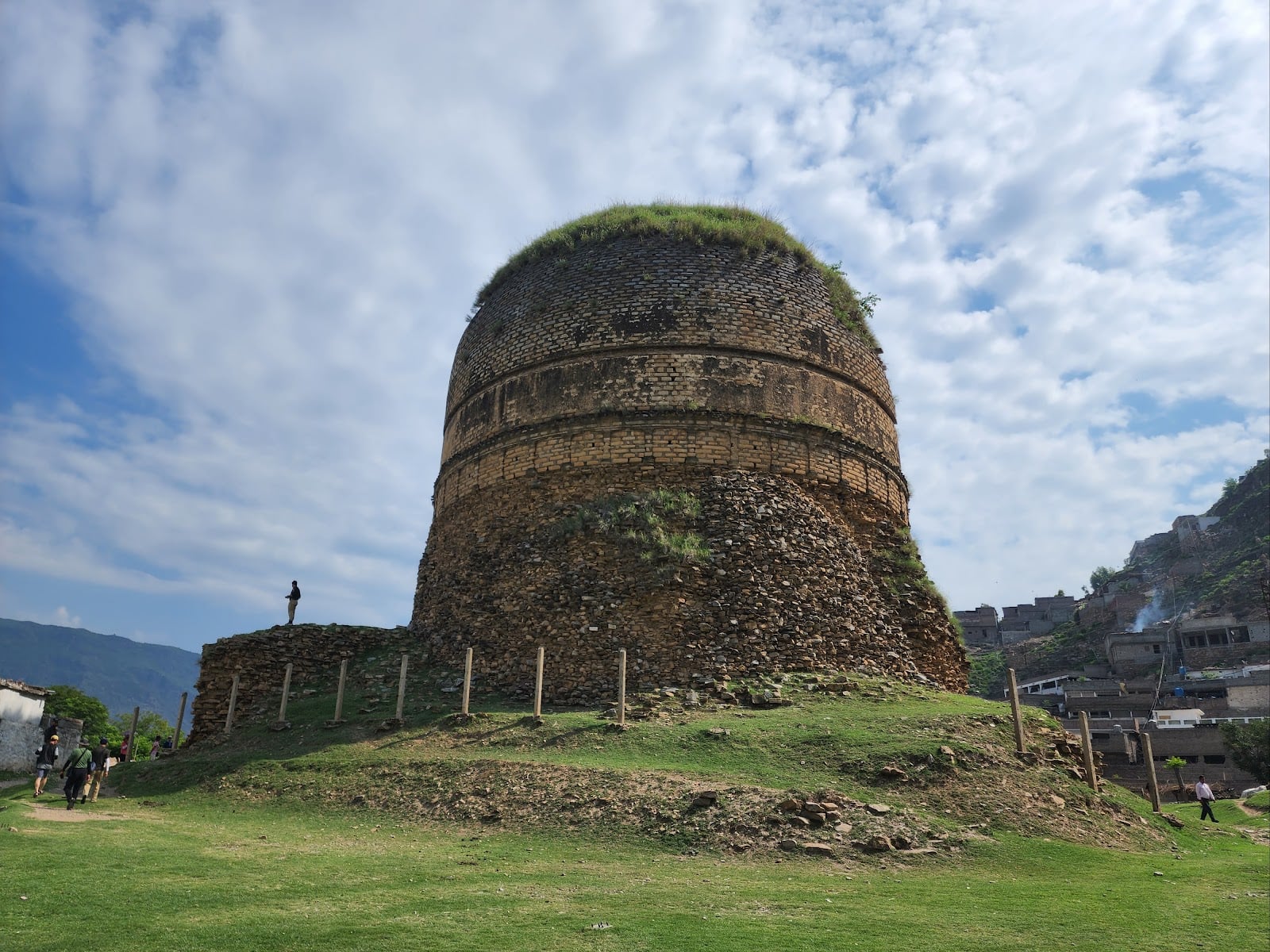
The 27-metre-tall Shingardar Stupa near Ghalegay is the tallest standing Buddhist stupa in northern Pakistan. Local legend says it was built by King Uttarasena to enshrine relics of the Buddha.
It is visible from the main Swat road and stands beside ancient rock carvings of Padmapani and seated Buddhas.
Carved into a cliff face above Jehanabad village near Manglawar, this 6-metre seated Buddha dates to the 7th century. It was vandalized in 2007 but has since been restored by Italian conservators.
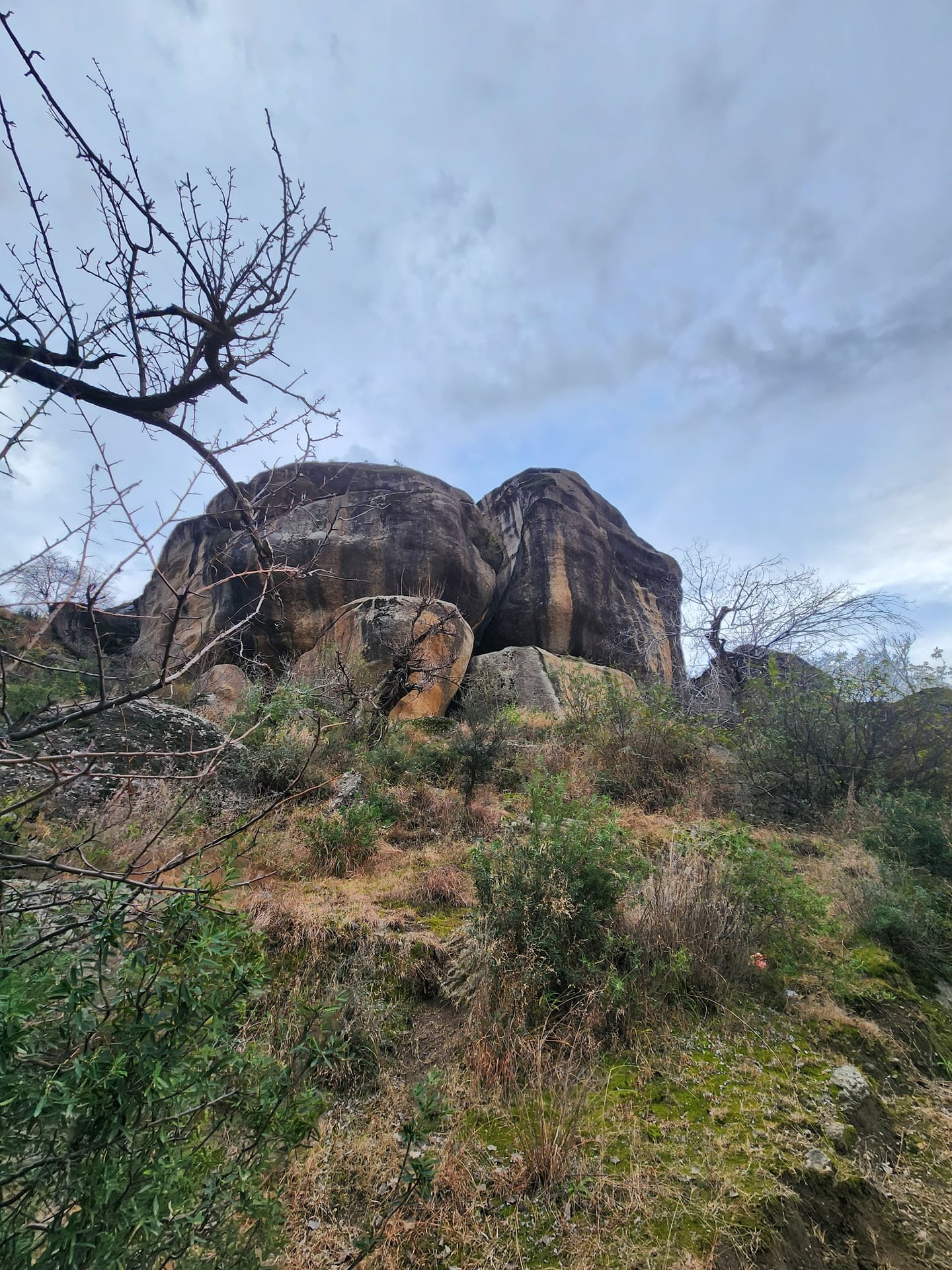
The rock face also contains smaller carvings of Bodhisattvas and a meditation cave used by monks.
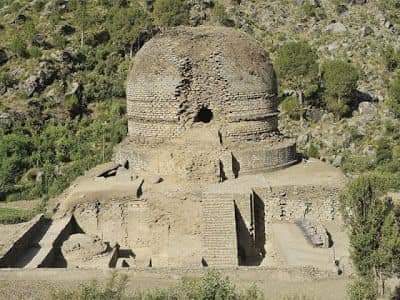
Saidu Stupa (Saidu Sharif): A large second-century stupa with intact stairways. Located beside the Swat Museum.
Marjanai (Kabal): A complete monastery complex with monk cells, courtyards and a stupa.
Nimogram (Shamozai): Three stupas on terraced platforms surrounded by chapels.
Andan Dheri (Chakdara): A monastery near Talash valley with sculpted panels.
Bazira (Barikot Hill): Greek-Buddhist fortified town with a Buddhist sanctuary on top.
Amluk Dara Stupa (Barikot): A perfectly preserved 3rd-century stupa, fully restored and open to visitors.
Tokar Dara Stupa (Najigram): Hilltop monastery and stupa with views over the valley.
Gumbatona Stupa: A massive cylindrical stupa near the Swat River, recently conserved.
Balokalay Stupa: Lesser-known but well-preserved village stupa worth a brief visit.
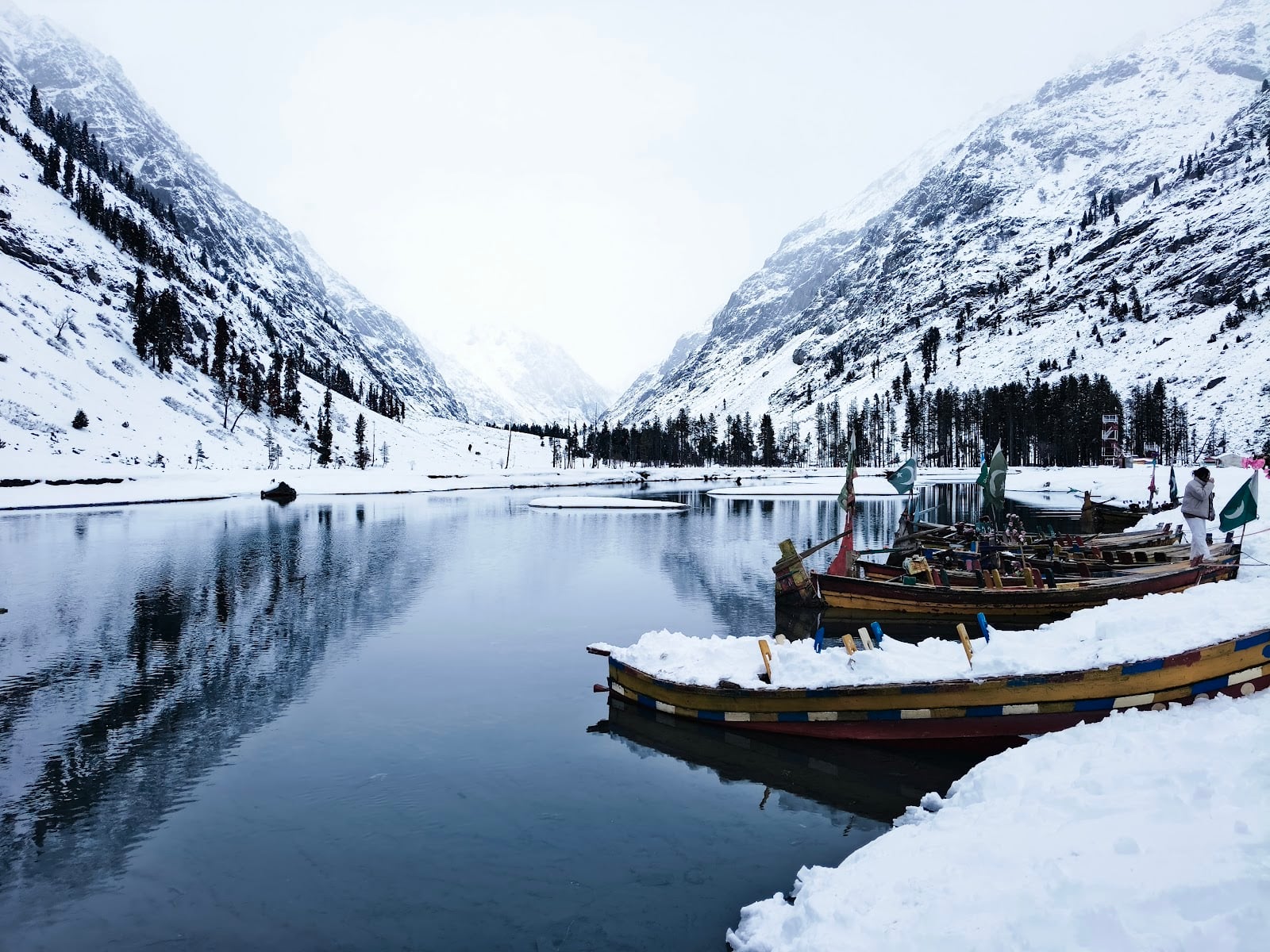
Tibetan tradition places his birth on Lake Dhanakosha. Most modern scholars and Bhutanese pilgrims identify this with Lake Madyan or with the Saidu Sharif region of Swat.
Yes. Foreigners are welcome. No special permit is required for the main sites like Butkara, Saidu Stupa, Shingardar or the Swat Museum.
Real, verified places in Swat Valley related to this guide — tap any card for photos, hours, phone and directions.
Real Swat tips on hotels, routes, and where to eat — hop on WhatsApp or leave a note on our contact page.