BarSwat
Between 1915 and 1969, Swat was an independent princely state ruled by the Wali of Swat. Under Miangul Abdul Wadud and his son Miangul Jahanzeb the valley got free education, modern hospitals, a fair court system and a working road network. Many older Swatis still call this 'the golden era'.
After decades of inter-tribal conflict, the Yousafzai jirga elected Miangul Abdul Wadud (great-grandson of the Akhund of Swat) as their ruler in 1915. The British recognised him as 'Wali of Swat' in 1926.
He united over 50 tribes, ended the destabilising Wesh land redistribution system in many parts, and built the first proper roads, telegraph lines and schools.
Miangul Abdul Wadud abdicated in 1949 in favour of his son Miangul Jahanzeb. The new Wali expanded education massively: by the 1960s Swat had nearly 100% primary enrollment for boys, far ahead of the rest of Pakistan.
He built the Saidu Sharif Hospital, the Wadudia Hall, paved roads to Kalam and Bahrain, established the first ski resort at Malam Jabba, and ran a court system famous for delivering justice within days, not years.
The Wali's administration was small but effective. Tax was a flat 1/10th of agricultural produce. Crime was low. Education and basic healthcare were free. Land was registered and disputes settled by qazis using a blend of customary Pashtun law and Sharia.
The Wali toured the valley constantly, holding open court (jirga) where any subject could approach him directly.
President Yahya Khan merged Swat (along with Dir and Chitral) into Pakistan in 1969. The Wali peacefully accepted, and Swat became a district of NWFP.
Many Swatis remember the merger as the moment things began to deteriorate: state schools and hospitals decayed, the legal system slowed, and corruption arrived.
The descendants of the Wali, known collectively as the Miangan family, still live in Saidu Sharif. Miangul Aurangzeb (son of Wali Jahanzeb) served as Governor of Balochistan and NWFP. Many serve in politics, business and philanthropy.
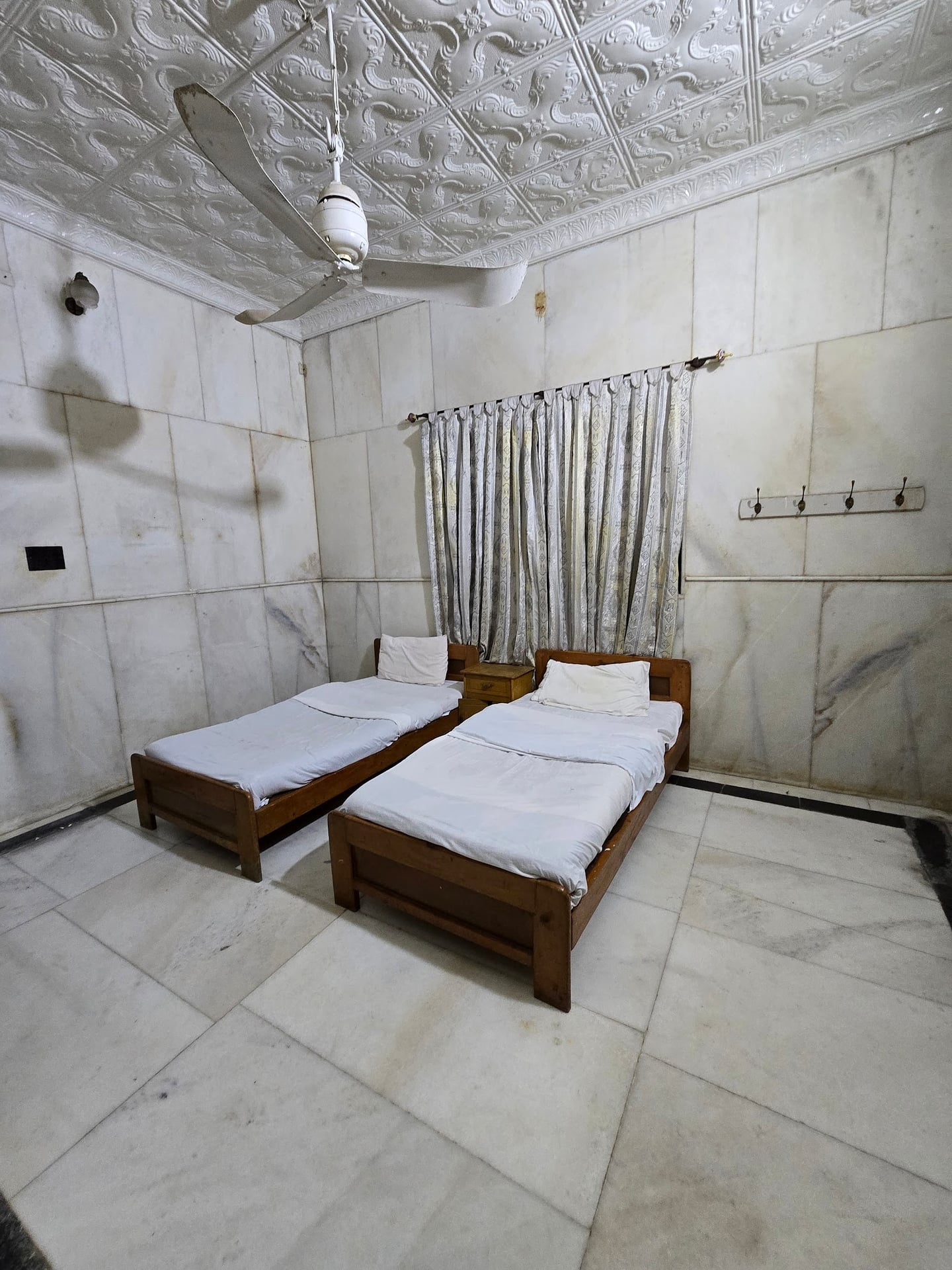
Miangul Jahanzeb, the last Wali, passed away in 1987. His descendants still live in Saidu Sharif and remain influential.
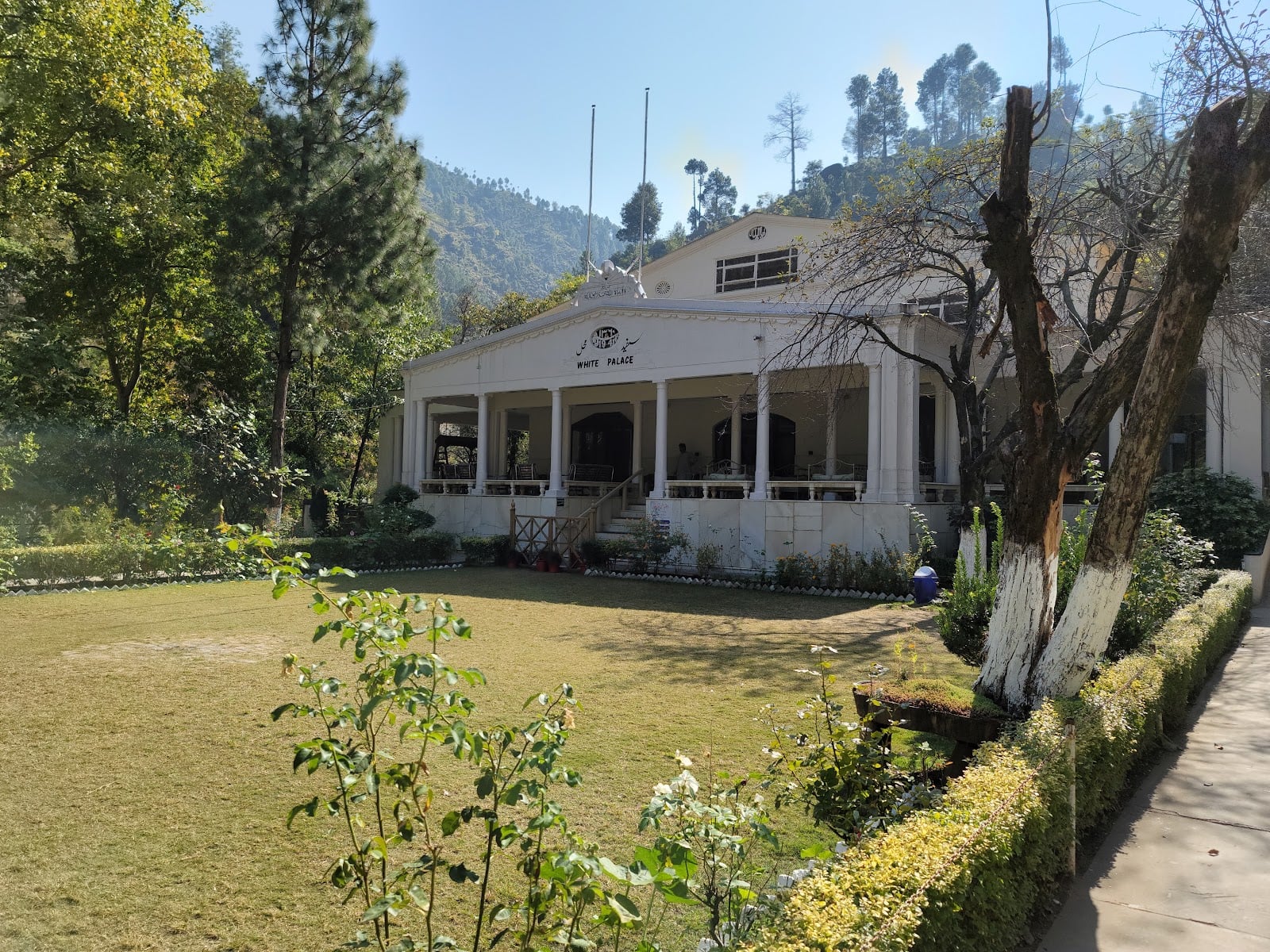
The White Palace at Marghuzar (Wali's summer residence) is now a hotel and museum. The main Saidu Sharif palace is still a private family residence.
Real, verified places in Swat Valley related to this guide — tap any card for photos, hours, phone and directions.
Real Swat tips on hotels, routes, and where to eat — hop on WhatsApp or leave a note on our contact page.